|
||||||||||||||||

|
||||||||||||||||
School NewsletterAugust 2026Inspirations, Insights, and Staffing Solutions 
|
||||||||||||||||
Upcoming EventsConferences & Industry Opportunities |
||||||||||||||||
| ||||||||||||||||
|
||||||||||||||||
Educator FocusHow to Make the Most of Classroom EssentialsBy Cecilia Cabrera Martirena 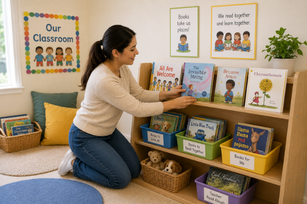
Early childhood teachers and school leaders can work together to make sure each room has the most effective resources. BULLETIN BOARDS Once they’ve reached an agreement, the teacher provides materials for the children to create the display. This is a positive way to help learners develop a sense of belonging and feel their work is good enough to be on the bulletin boards. MANIPULATIVES Manipulatives help learners “touch” concepts and might help them understand those concepts more effectively and successfully – even using them to create a timeline of historical facts. OTHER SUPPLIES Include these materials in the weekly plan, and assign enough time for the children to work with them. As with all other materials and resources, teach the learners how to take care of the materials, the classroom, and themselves – when using paint, for example. BOOKS While teachers have the creativity to use these classroom essentials in new and imaginative ways, learners benefit the most when the school works with the teachers to provide the best resources possible. *Excerpts taken from “How to Make the Most of Classroom Essentials” by Cecilia Cabrera Matirena |
||||||||||||||||
Activity of the Month!
Apple Name MatchMaterials Needed:
Write each child’s name on an apple cutout and create a matching set of apples with the same names. Place one set around the classroom and give each child an apple with their name. Children will search the room to find the matching apple, then compare the names letter by letter. This fun movement activity builds name recognition, letter awareness, matching skills, and confidence with early literacy. |
||||||||||||||||
ChildCare Careers is your trusted partner in staffing. Need coverage or planning ahead? |
||||||||||||||||
| © ChildCare Careers | Unsubscribe | www.ChildCareCareers.com |